On Ticks, Starving Owls, and Restoration
/Ticks, Lyme disease, ecological disruption, climate change and biodiversity loss, a thread about how it is easier to break something than it is to fix it.
Two days ago, after a one hour walk in the woods I spent another hour removing ticks (55 of them! - mostly deer ticks, and thus potentially Lyme disease carrying) from our big black furry dog, changing my clothes and taking a shower to make sure I was tick-free myself.
55 ticks - talk about an ecosystem out of balance!!!! And for those of you who are lucky enough to not live with deer ticks, picture the search for 55 sesame seed sized black specks in long black fur.
I'm still learning about the complex ecology of Lyme disease and its hosts and vectors, and I don't think there is a definitive science of this ecology. But enough is known to make it clear there's not just one simple thing out of balance in these Northeastern woodlands.
Though we work on removing it, our land has some amount of non-native brushy/shrubby/thorny invasive plants - things like barberry. Studies have shown that these areas make safe havens for mice and other small mammals on which the ticks live and multiply. More invasives means more mice, which means more ticks.
Another reason there is a boom in small mammals is a lack of predators. Vermont used to have rattlesnakes, which preyed on small mammals, but with a state sponsored bounty on them in the early 1900s they were mostly wiped out. Habitat loss and past waves of hunting mean other large predators are missing too, like wolves and bobcats. That leaves foxes, weasels, coyotes and some raptors to keep prey species in balance. Fewer predators means more mice, means more ticks.
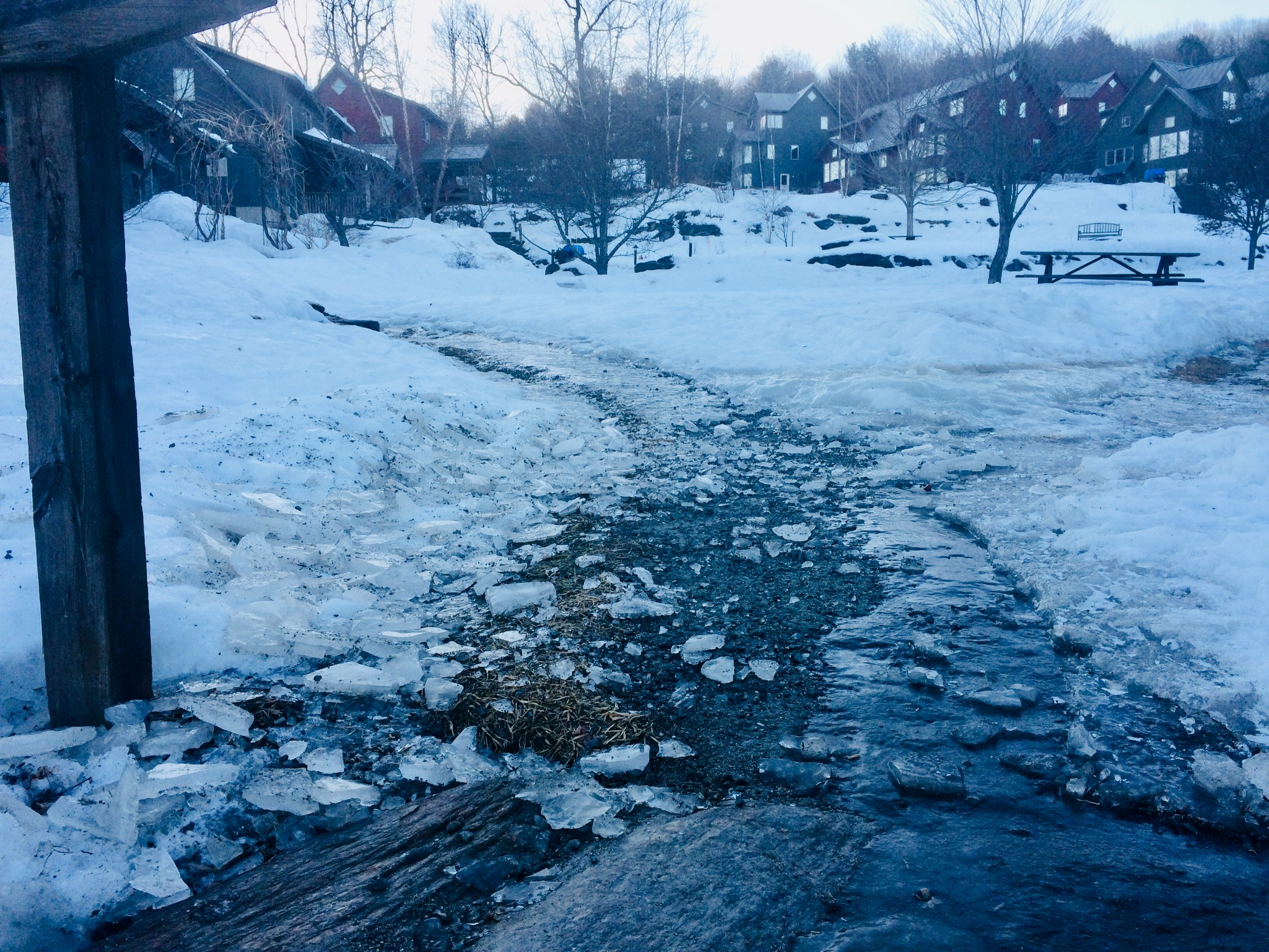
Around us last winter (noted for layer after layer of ice storms - a pattern that is maybe becoming more common for us with climate change) Barred Owls were found starving in high numbers, because…they hunt their prey by plunging through the snow to capture it. Their body weight is enough to do this through powdery snow, but not through layers of ice. Mice, safe from owls below layers of ice in the winter, means more mice in the spring, means more ticks.
Can you see the years of violence, short-sightedness and disruption all coalescing in something that now, finally registers as a problem? Generations before my birth, mass culls of snakes, DDT harming raptors, someone importing pretty ornamental shrubs without thought to ecological consequences, greenhouse gas emissions changing snow and ice leading to starving owls.
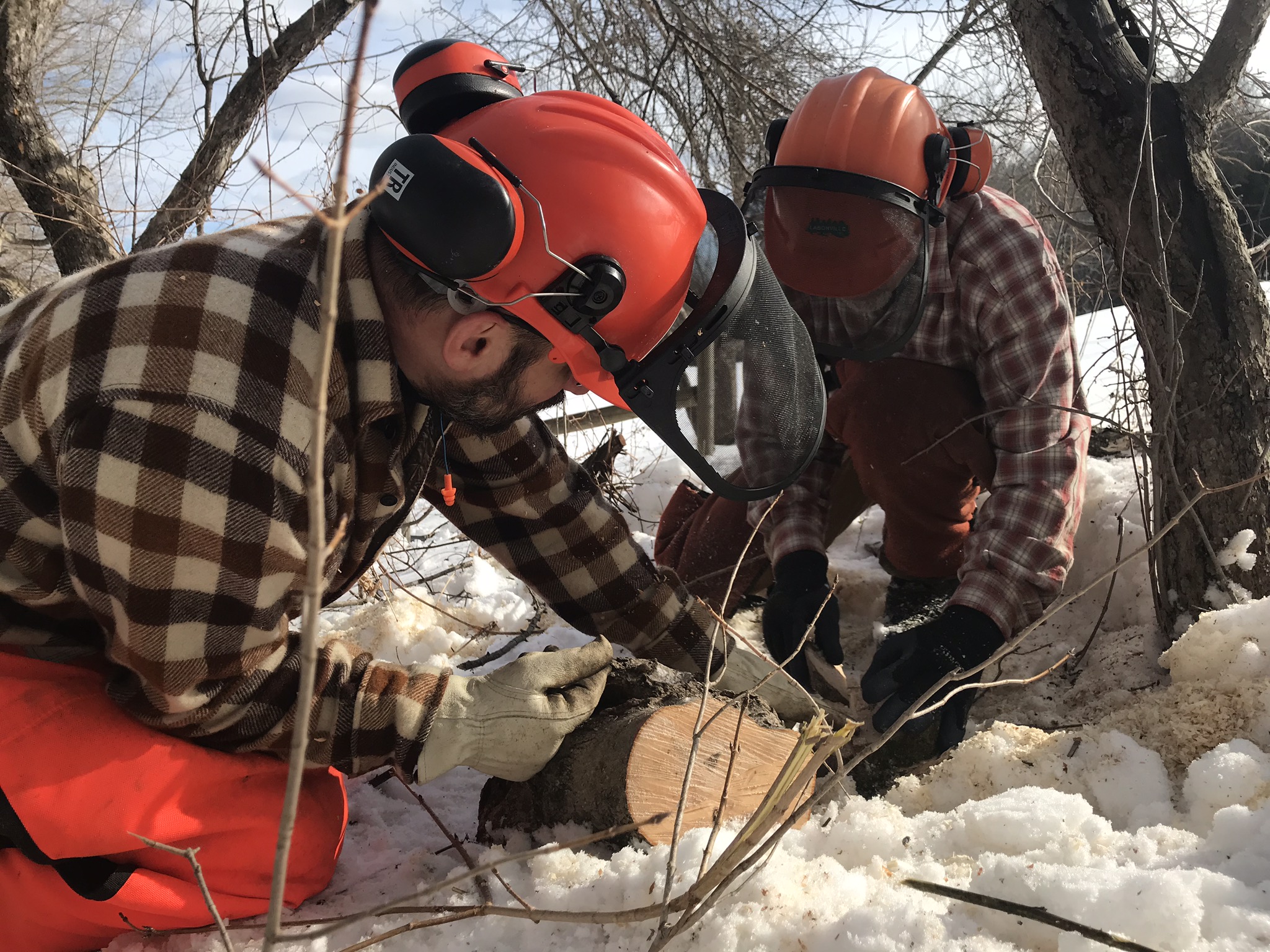
We are talking now about how to make our land better habitat for predators, whether we can build nesting boxes for kestrels and owls and corridors for larger predators, and how to make it less good for mice, by working harder on removing invasive species.
That's a lot of work, and a lot of repair. It's also interesting, enlivening work, to think that we may be able, at least in small ways, to help repair, restore and reweave, to begin the centuries-long work of restoration that we know must begin almost everywhere starting now.