FAQs

Thank you for your interest in Cobb Hill Cohousing. Please read through our website, especially the links at the bottom of the “On the Hill” page. Otherwise, see below for some FREQUENTLY ASKED QUESTIONS.

What housing is available?

We list any available homes on our website, “Available Houses.” We have three types of units on-site: shared housing in the common house (3 large rooms), duplexes, and standalone homes. 

How often do homes become available?

It has varied throughout the years, but turnover can be about one household every 1-2 years. Beyond what is listed on the website (if anything), we do not know when someone might announce they are moving and something more suited to your needs will pop up.

Do you have rental units?

The community owns one apartment in the common house (large room in a shared house) that we generally rent out to long term renters. Otherwise, occasionally current residents will rent out their home or a space in their home, but this is not common.

Can more houses be built on the property?

No. We are 23 households and are not growing. The size of our community was intentional and we are small compared to some others. We are also bound by Vermont’s land use and development law, Act 250.

Do you have a waitlist?

By reaching out via our website, you would be on our “interested people” list. We notify this list if a unit becomes available. Often folks have moved on to other opportunities by the time we reach back out, as it seems to be all about timing and patience, but sometimes people’s timing is flexible and they are willing to wait, forming long term relationships with us and really exploring what it means to live here prior to being able to purchase a unit.

What is the process when a unit is available?

Sales at Cobb Hill have two parts. 1) Our "exploration process" where we aim to facilitate you exploring and learning as much as possible to make an informed decision about whether this is what you're looking for as the next life adventure, whether you will thrive here -- you meet as many people as possible and have deep conversations. We all get to know each other and assess whether it seems like a good match! 2) If things are progressing positively with the community, the potential member/buyer/renter works on the transaction piece with the unit's owner.

If I move there, would I work on the farm?

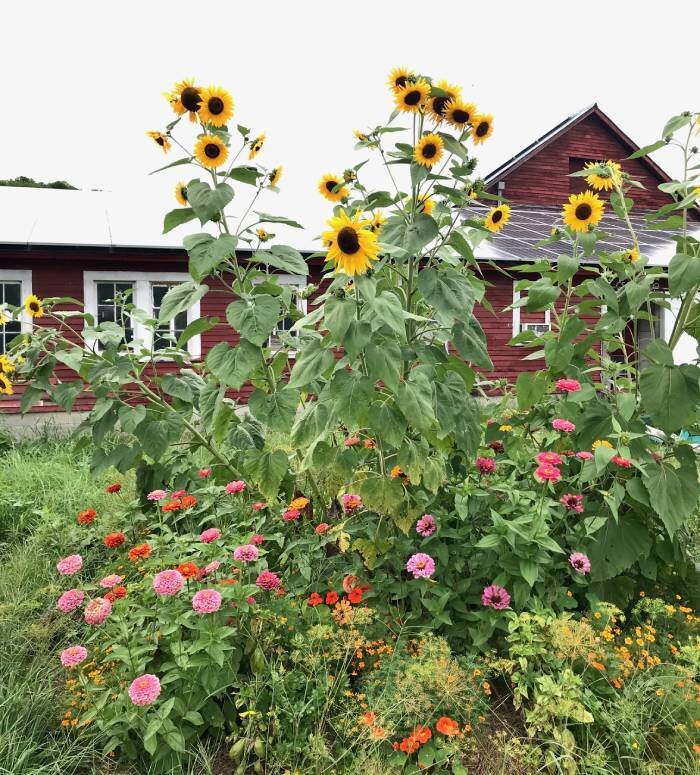
We are a community with a farm, not a community farm. One family runs the farm onsite, Cedar Mountain Farm, as their business and sole income. Sometimes there are volunteer opportunities with them, or if you are looking for farm employment, please reach out to them directly. Having a working farm here is one of our core values and many neighbors purchase veggies, meat, and raw milk from them. We also collectively own and care for the various out-buildings (barns, shed, shop).

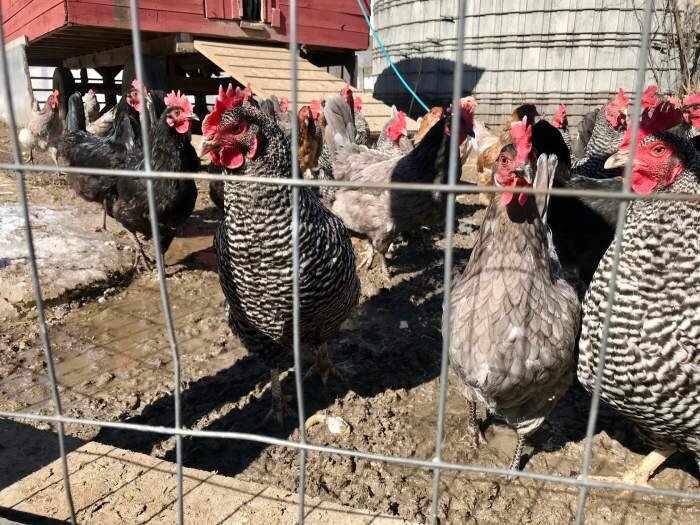
Many of us are drawn here because of the land, have our own gardens, and get involved with other forestry and land-based projects or much smaller enterprises not related to the farm business. We have 270 acres to co-manage, after all! So, while you likely wouldn’t work on the farm itself, you could opt to tap maple trees, care for the shared chickens or bees, paint a barn, pull invasive plants in the forest, weed the flower beds, grow your own veggies, and generally homestead to a large extent.

How many hours do residents need to devote to community work?

We intentionally do not have a number to answer this question. We've had many conversations about shared work! Above all, we look for folks who want to engage in life here, to learn with us, and commit to making time in their lives for community building, property maintenance, and other community-centered tasks, in addition to their own careers, households, and hobbies.

The time a neighbor spends doing the community accounting is just as important as the time another neighbor spends maintaining our septic or heating system, for example. We all take on tasks and roles according to our skills & passions (attend or facilitate all-community meetings & smaller committee meetings, shovel snow, mow grass, clean the common house, attend monthly work days, stack wood, cook a meal etc.). There is plenty to do and often a few who have more spaciousness in their lives put in much more time working on behalf of the community than others; the ensuing resentment and guilt are ongoing topics of conversation. We understand that life is full for many, especially families with young kids. We seek people who are willing and able to add Cobb Hill into the balancing act of busy lives.

Are there physical challenges to living here?

This is a very physical place to live, as we are on a large, rural acreage and are very much on a hill with many (icy) steps and (snowy) pathways. We heat with wood, so there is considerable wood moving & stacking, year-round. We park away from our homes and do not have garages, thus need to clear snow from our cars during the many months of winter. The buildings are three stories. While not everyone needs to have the same physical abilities, this is a very hands-on, active place by design.

I’m looking for a second home in VT or I wouldn't live there as my primary residence – is that possible at Cobb Hill?

Because of the nature of what we are trying to build here (trust, relationships), maintain and steward (land, buildings, etc.), and winter in VT (wood heat, shared shoveling), community members live here full time.

How has your community handled the pandemic?

We’ve been respectful of each other and had hard conversations. We have discovered vastly different risk tolerances. We adopted the VT state health guidelines because we could not agree on our own rules about shared spaces and such. Our meetings shifted to Zoom from the cozy spaces in the common house (and largely remained online until summer 2023). We suspended community meals and it took some time for folks to feel comfortable dining together. While we do not have a policy around vaccination, several people felt very strongly that everyone should be vaccinated, specifically those who live in the common house (a space we all share). Some neighbors made a concerted effort to socialize one-on-one or in groups, such as sledding parties, online cooking, Halloween parades, and outdoor bonfires. We continue to reinstate more community-building activities as the time goes on.

How can I learn more about Cobb Hill?

If you remain interested, please feel free to email us with more info about yourself, how your values align with our core principles, and your burning questions. We sometimes offer Zoom chats to make introductions, give basic info, and answer questions, but note that we prioritize folks interested in units currently available. It is also possible to arrange a visit with us after we’ve learned more about your goals. The best time to visit is on our monthly work day; you’ll meet the most folks, have conversations while you work, and we’ll schedule a tour. Visits and tours outside of a work day are possible as our busy schedules allow and we ask for a $25 donation.

Where can I learn more about community living in general?

There are hundreds (or more) of communities in all shapes and sizes across the globe (intentional communities, cohousing, eco-villages, religious communities, kibbutzes). See the links and resources at the bottom of our blog post, “Is Community Living Right for You.” Communities are complex places with lots of history, personalities, systems, policies, processes, conflicts, joys, and more. We encourage you to explore the many informative articles, especially if you’re at the beginning of your community exploration.

Edited 9/23

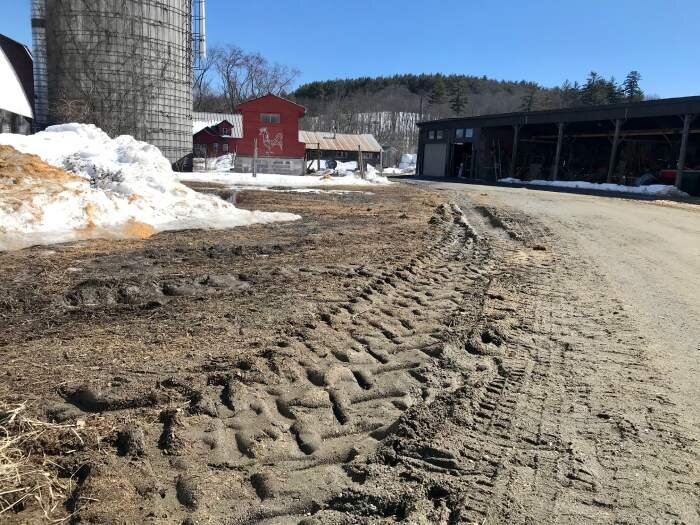
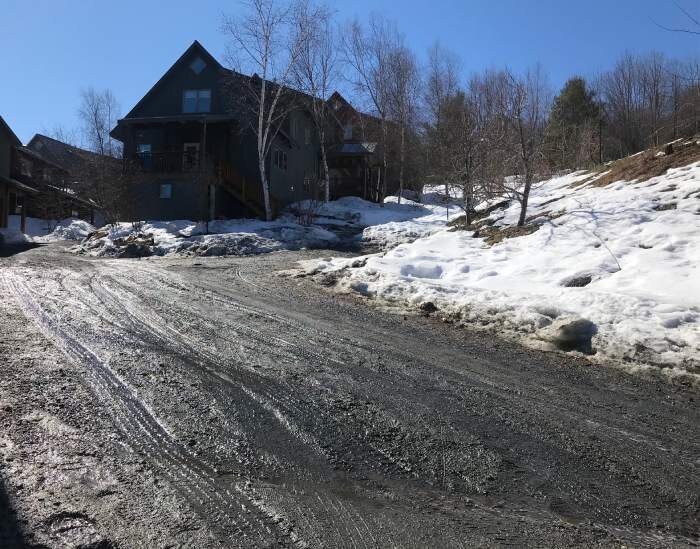
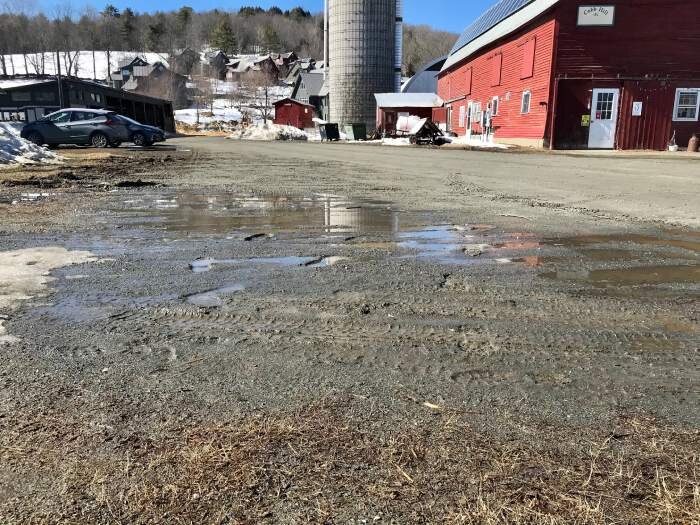
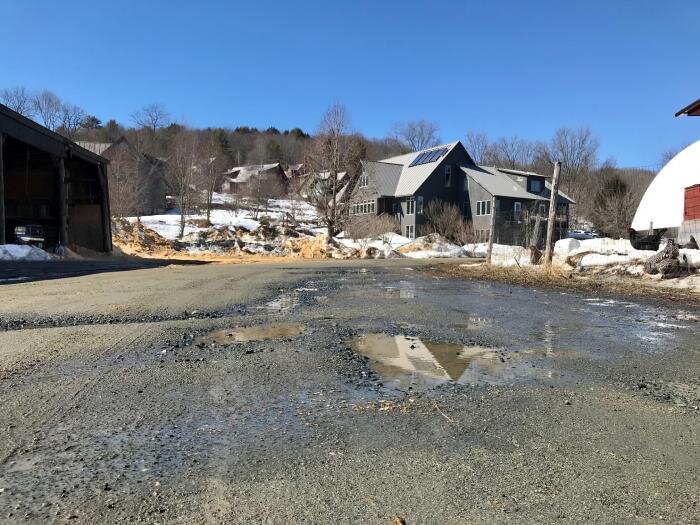
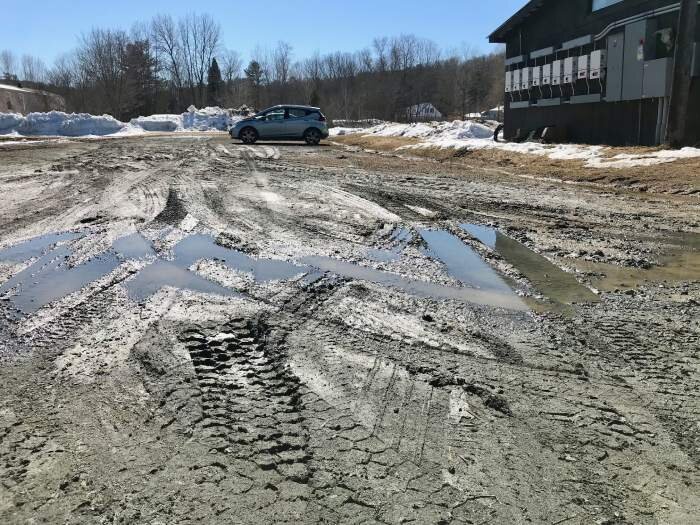
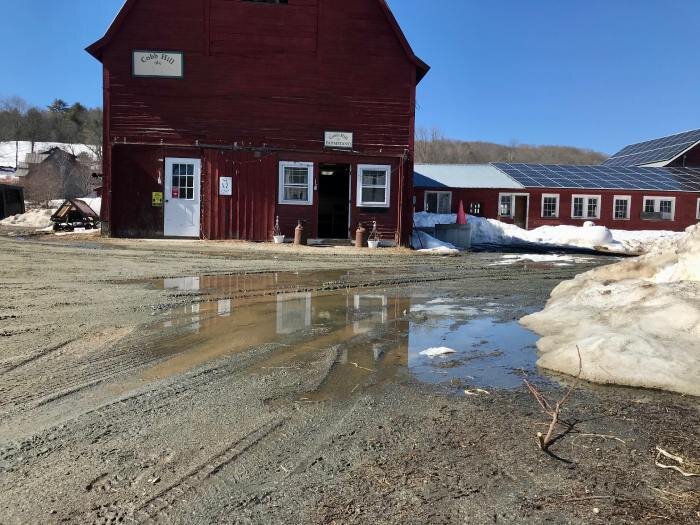
March Snow (and then comes mud!)

We got a couple inches of sparkly snow a few days ago and three more inches yesterday! Those of us who weren't ready for winter to be over can revel in a little more skiing and those who are ready to be done clearing snow and ice off our cars, spring is on its way. Many (most?) of us embrace winter and all of its associated activities. Lots of us take advantage of the groomed cross country ski trails and snowshoe in our forest.

It's been a minute since we've done a blog post. We are here. We are navigating life just like the rest of you. We are busy with careers, starting new jobs, new organizations, writing books, and so much more. We are raising kids through yet another disrupted school year with classroom quarantines and shifting protocols. We have our evening and weekend community meetings via Zoom and we haven't had an indoor community meal in two years. We are in the midst of spending several months re-evaluating our community values, twenty years into this huge experiment, while being heartbroken by the state of our world. We have welcomed new neighbors and are getting to know each other much slower than we would in the now non-existent "normal" times. Some of us find ways to be social together and others have pulled way back from community life the last two years. We continue to receive lots of outside interest in our community and correspond with folks the best we are able. Onward, with the ups and downs and messy mud of March and community life!

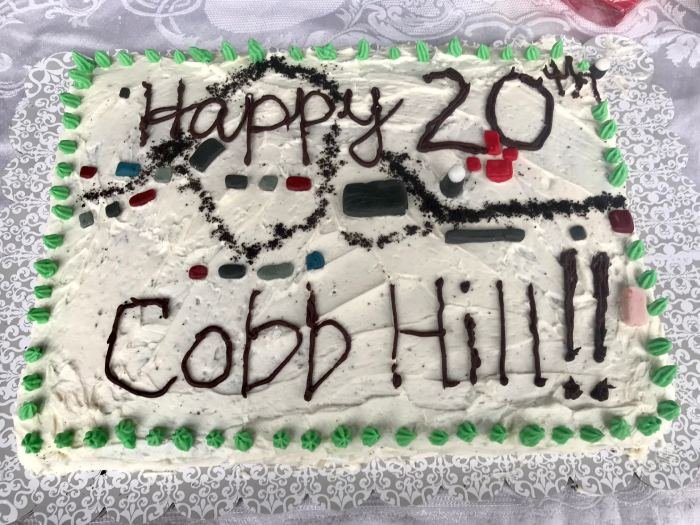
We Celebrate 20 Years!

While planning for our cohousing community started in the late nineties, folks moved into the finished homes in 2001, so we chose to celebrate 20 years this fall. It was a sweet afternoon affair, a more subdued event than we might have had were we not still in a pandemic, but a momentous marker all the same.

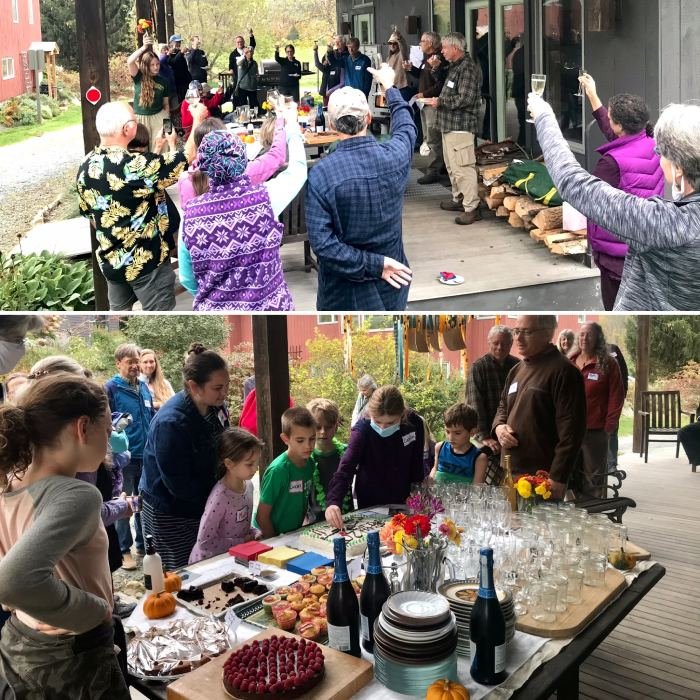
The festivities kicked off the night before with an online trivia game. Fun competition ensued as we tested our historical and modern day knowledge of this place we’ve built and call home: How many households have lived at Cobb Hill over the years? (45-55); What was the name of the first barn cat? (Tinkerbell); Other proposed names for our community (Earth Rise). Several past community members joined us the next afternoon to share stories, poems, reflections, and celebratory toasts to 20 years.

We gathered to plant a Linden tree (Dana Meadows’ favorite), extending roots to the past and branches to the future! As we each shoveled some dirt to tuck in the new tree, we named hopes and wishes for the next 20 years, like laughter, community meals, more solar power & storage, and more.

Next, we headed up the hill, each person stopping to grab a piece or two of wood, which we ceremoniously carried to the Garn (our shared heating system). Wood is an important part of life and shared work here, providing warmth several times over in both the summer and winter (stacking, moving, stacking, feeding the Garn)!

The outdoor wood-fired oven was our next stop, with homemade breadsticks and marinara to nibble on while we shared remembrances, funny work day anecdotes, and poems.


Many former Cobb Hill children (now young adults living near and far) contributed to a VIDEO (view on YouTube) marking the occasion. They spoke about what spending part of their childhood in the community meant to them and shared some memorable moments.

Under a beautiful banner we ended with cake, bubbly, toasts, a group photo, and games on the common house porch -- we felt celebratory, indeed.

Cheers to the next 20 years!!

A Poem: Mushroom Thanks

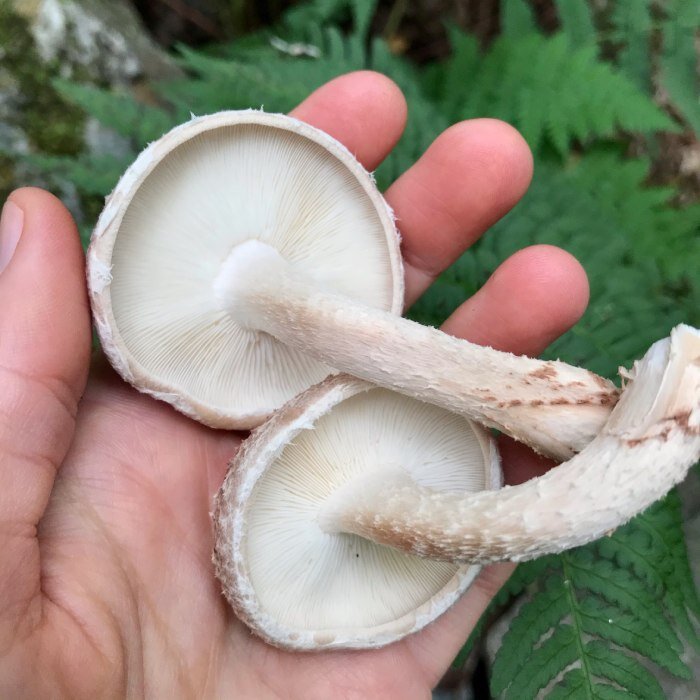
As Cobb Hill Mushrooms looks forward to this year’s season, we share a poem we received from a CSA member at the end of 2020’s season.

from Judith, Sept 2020

Mushroom Thanks

On summer Thursdays, right at noon
My mind must turn to fine mushrooms
And even if this rhyme's quite lame
I'm full of thoughts whence they came.

Small parasols with curving stems
Bode well for meals that start or end
With soup, duxelles, an omelette.
Shrooms grilled, chopped, or a tartelette.

You've worked so hard to bring them forth:
Log lugging, soaking, spores - take time;
And emails so we'll not forget
To claim our share and cook a treat.

We thank you for delivering
Shiitakes from the end of Spring
To almost Fall, when weather cools
And mushrooms lapse while winter rules.

Hope you can now relax a bit
As we take pickups off our list.

Shiitake.jpg

Where Are They Now?

Cobb Hill is 20 years old this year and one of the things that means is that a whole generation of kids grew up here! Where are they now? I recently got in touch with three of them that just happen to take spectacular photos and chronicle what they’re up to on Instagram.

Instapics from former Hillers:

09F5BDF5-6ACE-46BD-8129-90B8E862AFCA.jpg

Gretta graduated from UVM, moved to Montana, helps her boyfriend with The Ugly Onion wood-fired pizza, and tutors kids with dyslexia. She is loving the mountains, sun, and huge fields with lots of cows.

4C61E3B3-90A1-4AA4-87D7-149EF8586A37.jpg

Paul lives and works in Massachusetts as a software engineer and enjoys backpacking and photography.

67A99F5C-8DB7-4086-A7D4-E3CFD4DAAB71.jpg

Jenna has settled nearby in Vermont. She is building a homestead, creative marketing business, and writes, plays, and records music.

The Donella Meadows Quest

by Sandy

Cobb Hill now has its very own Valley Quest - the Donella Meadows Quest!

You may be wondering - what is a Valley Quest? Well, the Valley Quest Program is a 25 year old program of the non-profit Vital Communities that offers over 160 Quests throughout the Upper Valley. These Quests are opportunities to bring us into special places, may they be historical, environmental, or cultural gems of our region. Following educational clues, you will learn about the place you are in and you will find a treasure box at the end. You can collect stamp impressions from the unique hand carved stamps in each box and sign-in to the log books you find in the boxes. All the Quests are found on the Vital Communities website.

The Donella Meadows Quest, one of the Quests featured in this year's Climate Connections Super Quest, starts at the kiosk in front of the farm stand. It takes you by the welcome garden, to the greenhouse and market gardens. Then back by the barn and up to our public walking trail that takes you to Dana's bench at the top of one of our pastures before coming back down to find the treasure box. On the way you will learn about the many ways Cobb Hill is using practices and technologies that help the residents live lightly on the planet, emit less carbon, and adapt to climate change.

Donella Meadows was the visionary who brought Cobb Hill to life and her writings are highlighted throughout the Quest. She was one of the pioneering system thinkers, an author, and a climate activist. Her book, Limits to Growth, has inspired millions and is still used in universities today.

So check out the Donella Meadows Quest here and a Questing you will go!

Early Spring Artwork

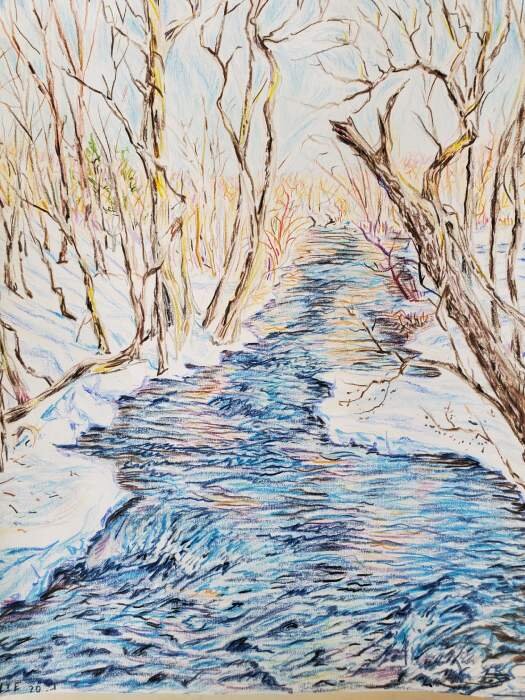
Stephen Leslie, long-time community member and owner of Cedar Mountain Farm with his wife, Kerry, shared some of his recent drawings. Many of the colored pencil artworks are inspired by our land.

Stephen says, “I have always loved to write and draw. I went to art school and I am a painter. I’m attracted to the artisanal quality of scale of the farming we do. It’s an aesthetically pleasing place to be in: a healthy, functioning landscape with beauty. Farming is not so far removed from art.”

“Lull Brook” and “Sugar Brook,” Stephen Leslie

“Hemlock Sunset” and “Sumner Falls,” Stephen Leslie

Is Community Living Right for You?

Unsurprisingly, we've received a lot of inquiries from curious folks in the past year. Having been isolated due to the pandemic, people from all over are reaching out, seeking more rural living and more connection and community.

What does it mean to live in a cohousing or intentional community?

Well, it means a lot of things, and means different things to different people! Here on the Hill and at many other intentional communities nation- and worldwide, it might mean:

  • Receiving multiple offers when you put out a request to borrow something, even if it is the most obscure item

  • Doing any number of kind favors for your neighbors

  • Disagreeing over the right way to handle pandemic precautions (and any number of other things)

  • Honing and using your best communication skills...or sometimes your worst, and regretting it later

  • Cooking a community meal or organizing a BBQ

  • Being part of resolved or unresolved conflict and tension

  • Finding "your people" with shared interests, values, vision, goals, hobbies, and making life-long friends

  • Using consensus decision-making and coming together on a final decision everyone can get behind after lots of discussion in a long meeting with fellow community members

  • Organizing a community celebration of some kind (holiday cookie swap, karaoke, birthday party, for example)

  • Being part of a committee working toward shared goals

  • Bringing all of your baggage with you, for better or worse (it doesn't just go away)

  • Playing various community roles in addition to your day job and household needs

  • Learning new skills and maybe stretching outside of your comfort zone

  • Taking on too much because you want to be involved with everything or you have a problem saying "no" or you feel obligated

  • Facilitating a difficult discussion with support from others

  • Stepping up to do something because no one else is doing it

  • Realizing that life doesn't slow down here, it's just busy in different ways than you may be used to

  • Leaning in because this place is only as good as we all make it

  • Trusting that the agreed upon process benefits the greater good

  • Working to change a policy that isn't working or writing a proposal to introduce a new project

  • Keeping a growth mindset

  • Learning how to live lighter together on the earth

Thinking about community living and want to learn more? We are part of a larger movement.

"People choose to join intentional community for many reasons – better quality of life, sense of purpose, connection with people, opportunities to make a difference. The process starts with learning as much as you can about communal living and the various kinds of community models." (ic.org)